What Really Happens to Your Sofa After a Year of Hosting: A Spill, Stain, and Odor Experiment
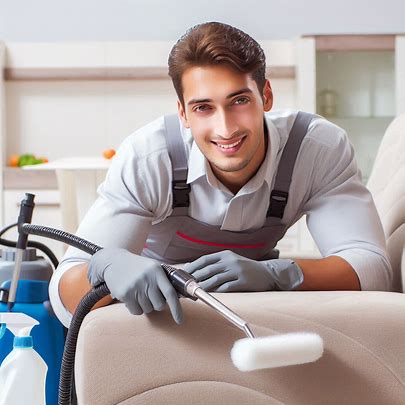
Fabric furniture can hold onto odors and bacteria far longer than most people expect, especially when exposed to repeated food spills and daily use. Over time, even small stains and invisible residues build up, affecting both hygiene and comfort. This experiment set out to track exactly what happens to a sofa after a year of regular hosting, using controlled spills, consistent usage, and a comparison between home cleaning methods and professional treatment.
To ground the process in real-world practices, insights were referenced from a شركة غسيل كنب بجدة (Sofa cleaning company in Jeddah), which routinely handles deep-set stains and odor removal in residential settings. Their input helped define realistic spill types, cleaning intervals, and expected outcomes after extended use.
Experiment Setup: Simulating a Year of Use
The test used a standard three-seat fabric sofa placed in a living room environment. Over twelve months, it was exposed to typical hosting scenarios, including weekly gatherings and casual daily use. Each week introduced controlled spills: coffee, fruit juice, cooking oil, tomato sauce, and occasional crumbs from snacks.
The frequency mirrored an active household. Coffee spills occurred twice weekly, while heavier food stains, such as sauces, appeared once a week. Odor sources, including fried food and takeout containers, were also introduced regularly to simulate real conditions. The goal was not to exaggerate damage, but to reflect what many households experience without noticing gradual buildup.
Research from the American Cleaning Institute shows that upholstered furniture can trap airborne particles and food residues, which may lead to odor development if not cleaned thoroughly. This provided a useful benchmark for evaluating how much accumulation would occur over time.
Month-by-Month Observations
Months 1 to 3: Early Signs
During the first quarter, visible damage remained minimal. Fresh spills were wiped quickly, and most stains appeared manageable. However, faint discoloration began forming in high-use areas, particularly on the seat cushions.
Odors were not yet noticeable, though a slight “lived-in” smell developed after repeated exposure to food. Data from the Environmental Protection Agency highlights that soft furnishings can absorb volatile organic compounds from cooking, which may linger even after ventilation.
Months 4 to 6: Stain Layers Build
By midyear, stains became more persistent. Coffee rings left faint outlines despite immediate cleaning, while oil-based spills proved harder to remove. The sofa began to show uneven coloration, especially under natural light.
Odor buildup also became more apparent. After hosting gatherings, a mix of food smells lingered longer than expected. Fabric fibers, once fresh, started holding onto scents even after airing out the room.
Months 7 to 9: Noticeable Wear and Odor Retention
At this stage, the sofa showed clear signs of wear. Repeated spills created layered stains, making spot cleaning less effective. Some areas felt slightly sticky, a result of residue accumulation from sugary drinks and sauces.
Odors became embedded. Even after a day without use, a faint smell persisted. Studies referenced by the International Association for Soaps, Detergents and Maintenance Products indicate that organic residues can feed odor-causing bacteria, especially in porous materials like upholstery.
Months 10 to 12: Deep-Set Damage
By the final quarter, the sofa’s condition had significantly declined. Stains were no longer surface-level. They had penetrated deeper into the fabric and padding. The color appeared dull, and certain spots looked permanently marked.
The odor profile also changed. Instead of distinct smells, there was a general musty scent, suggesting bacterial buildup. This aligned with findings from the National Center for Biotechnology Information, which notes that soft furnishings can harbor microorganisms when exposed to repeated organic contamination.
DIY Cleaning Attempts: What Worked and What Didn’t
Throughout the year, basic cleaning methods were applied. These included wiping with mild detergent, using baking soda for odor control, and occasional vacuuming.
Initially, these methods worked well. Fresh spills were manageable, and surface dirt was easy to remove. However, as stains accumulated, results became less effective. Baking soda reduced odors temporarily but did not eliminate them entirely. Detergent solutions lightened stains but often left faint marks behind.
Experts from the Good Housekeeping Institute emphasize that household cleaning methods are most effective for recent spills, but less so for deep-set stains and odors. This observation matched the experiment’s outcome, where DIY efforts plateaued after several months.
Professional Deep Cleaning: Before and After
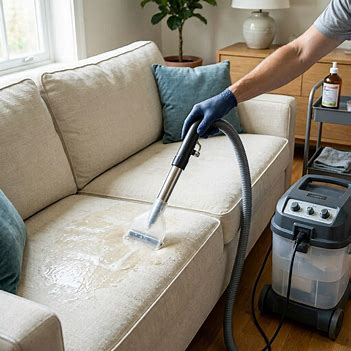 At the end of the twelve months, the sofa underwent professional cleaning. The process included deep extraction, specialized stain removal agents, and odor neutralization techniques.
The difference was immediate. Visually, most stains were either removed or significantly reduced. The fabric regained a more uniform color, and the texture felt softer. More importantly, the embedded odor was eliminated, replaced by a neutral, clean scent.
Professionals explained that deep cleaning reaches layers that standard methods cannot. Equipment designed for upholstery can extract moisture, dirt, and bacteria from within the padding, not just the surface. This aligns with guidance from the Institute of Inspection Cleaning and Restoration Certification (IICRC), which recommends periodic professional cleaning to maintain indoor hygiene.
Key Takeaway: When Professional Cleaning Becomes Necessary
The experiment highlights a clear pattern. While routine maintenance can manage early-stage spills, it cannot fully prevent long-term buildup. Over time, stains layer, odors embed, and the sofa’s condition declines despite consistent effort.
Professional intervention becomes necessary when stains persist after cleaning, when odors linger despite ventilation, or when the fabric shows visible wear. At this point, relying on a trusted upholstery cleaning service or a specialized sofa care provider offers a practical solution.
For households that host frequently, scheduling deep cleaning once or twice a year can prevent the level of buildup observed in this experiment. This approach balances maintenance with restoration, helping extend the life of the furniture.
Ultimately, the findings reinforce a simple idea. Sofas absorb more than we see, and over time, that hidden accumulation affects both comfort and cleanliness. Regular care helps, but professional treatment ensures that what lies beneath the surface is addressed effectively.