Five Ways Restaurant Owners Are Setting The Mood With Antonio Strad Violin
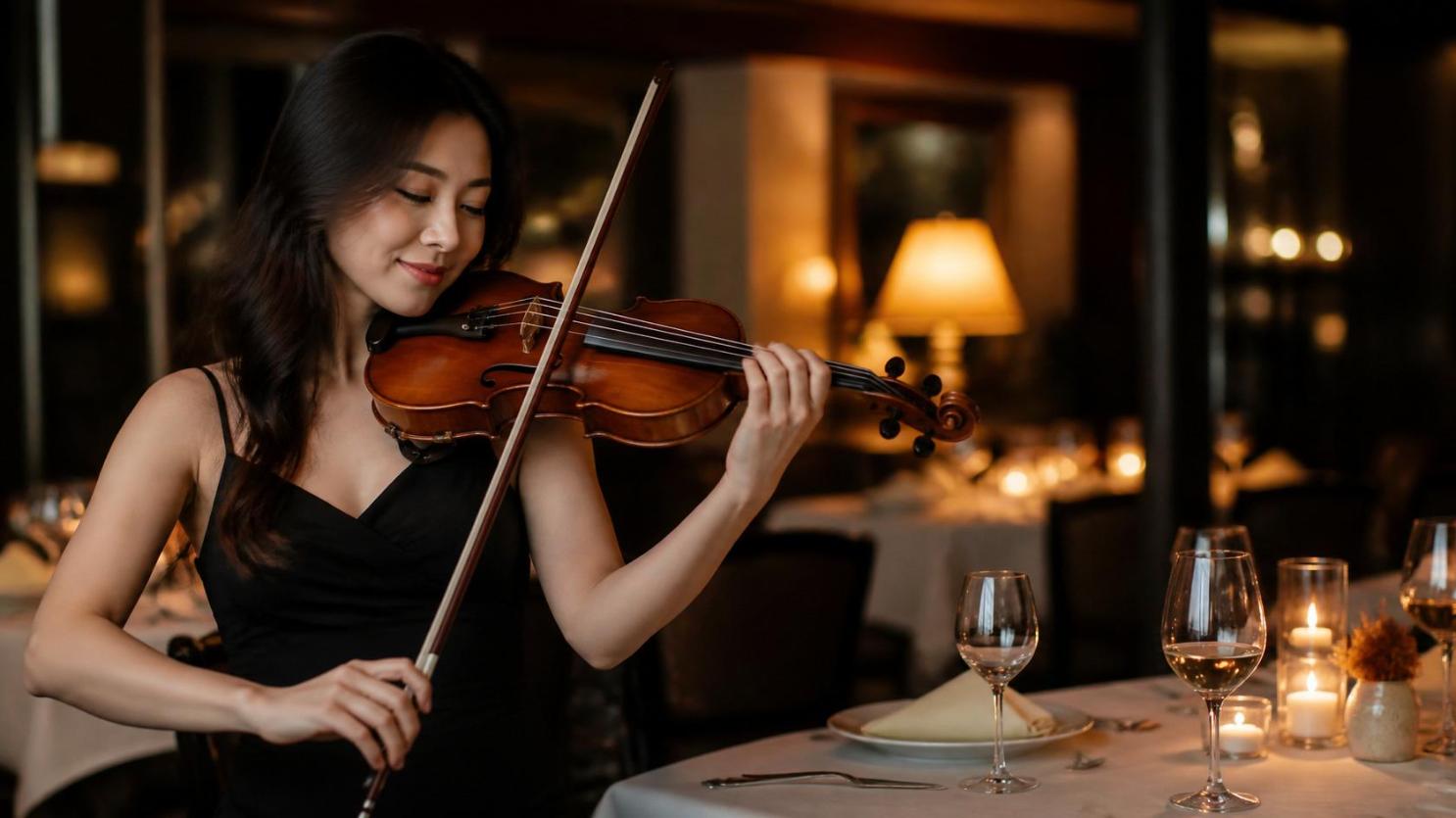
Enter the right establishment on the right night and you will see something unusual before you sit down; the atmosphere is tangible and alters the cadence of your breathing. You notice that the courses come out at a leisurely pace, the volume of surrounding conversations is diminished, and the wine curiously tastes better than it should.
It is a rare, but welcome, change in the dining experience, and it is almost exclusively brought on by the power of music. It is unsurprising that more and more restaurateurs are utilizing the Antonio Strad Violin to help create a shift in their dining experience.
It has a purpose, and that purpose can be seen in the length of time diners spend in the restaurant and their propensity to indulge in desserts.
I interviewed several restaurant owners over the last quarter, and the same focus appeared in every interview. Music plays an integral part in the dining experience. It is, for better or worse, a part of the menu.
Setting the Tempo
The first few minutes after a guest sits down matters more than most owners realize. If the room feels rushed or sterile, people eat faster, order less, and leave sooner. A slow, warm melody from the violin has a chemical effect on the dining room. It tells guests, without a single word, that there’s no rush. That permission to slow down is something no printed menu can offer.
One owner at a small Italian restaurant told me she saw changes in days after adding live strings to her Friday nights. “People would look at their phones while waiting for their food,” she said. “Now they just sit and listen.
Weird, but a loud room can get fantastically quiet.” That kind of pacing is intentional, and it is built note after note. It alters everything guests experience on the menu after.
Musical Pairing for Each Course
Some restaurants selectively coordinate their music for each course, much like pairing wine. Lighter, quicker playing suits an appetizer. Slower, deeper phrasing tends to follow the entrée. By dessert, something warmer and more sentimental takes over, almost mirroring the sweetness on the plate.
This is not showmanship. It is very much about the experience of the meal itself, since patrons largely process what they eat through their feelings. A musical selection that shifts at the right moment can have a positive effect on what they eat.
A friend of mine who is a pastry chef said that she believed her tiramisu “was served in three-quarter time,” and that was a pairing I was happy to agree with. She was not wrong, either. The timing of music and the timing of dessert share more in common than most people ever stop to consider.
Transforming A Slow Wednesday Into An Event
Restaurant owners bemoan their slow nights, which is why midweek live music has become a well-known solution to stimulate business for the week’s slowest dinner service. Not wanting to compete on discounts, some owners are competing on experience.
The “dinner and a show” concept, with a single musician, can send diners home happy and give them something to schedule for the following week.
Even a single musician gives loyal diners a reason to become more frequent diners. There are guests who sit at the same table every week, in the same spot near the musician, like they’ve got a standing reservation nobody officially made.
Some owners have leaned into that loyalty hard, building their whole restaurant identity around the music rather than treating live performance as a once-in-a-while thing.
Enhancing Private Events And Celebrations
Anniversaries, engagements, and milestone birthdays are just some of the occasions that can turn a restaurant into the most memorable night a guest and their family have shared in years. Restaurant owners have caught on and turned private dining rooms or special reserved sections into live music venues, making guests feel like they matter as much as the occasion itself.
One venue manager has a favorite example of how his space hosts one-of-a-kind memories: a proposal. As the guest dropped to one knee, the violinist on stage in the main room, reading the room, played a slowed-down version of the piece he was performing.
No one planned it. No one even imagined it. But it has become a story the couple tells at every dinner party. That kind of moment, born at a single table, becomes a marketing opportunity like no other. Word of mouth from a night like that travels faster and farther than any paid promotion ever could.
Creating Uniquely Signature Experiences
With that much competition in the dining space, what surrounds the meal often matters more than the meal itself when it comes to standing out. Live music changes a restaurant’s identity in a way that a new menu or a renovation simply cannot. Guests attach the feeling to the place and the place alone.
A restaurant’s reputation is not built one item at a time. It builds as a whole impression, and music accelerates that impression faster than almost any other single investment. That kind of association, the kind built quietly over a run of Saturday nights, is simply impossible to replicate without the music.
Food is not a supporting character here. The best restaurants treat music the same way they treat a key ingredient. Research into how love song influences tastes and mood during meals has shown that music reshapes how flavors are perceived, how long people linger, and how generously they order.
Most restaurant owners still underestimate that. Over the course of an evening, the right music can lift an experience well beyond what the food alone could have delivered. The smartest owners have already figured that out. The rest are still wondering why their Wednesday nights stay empty.